 Ritter Mortgage Group, Inc.
NMLS #1436890
Ritter Mortgage Group, Inc.
NMLS #1436890
Licensed in 12 states & DC
People. Focused. Lending.
229 combined years in lending. 5,398 families served — real clients, real closings, a loan officer who picks up the phone.
★★★★★ 5.0 from 277 client reviews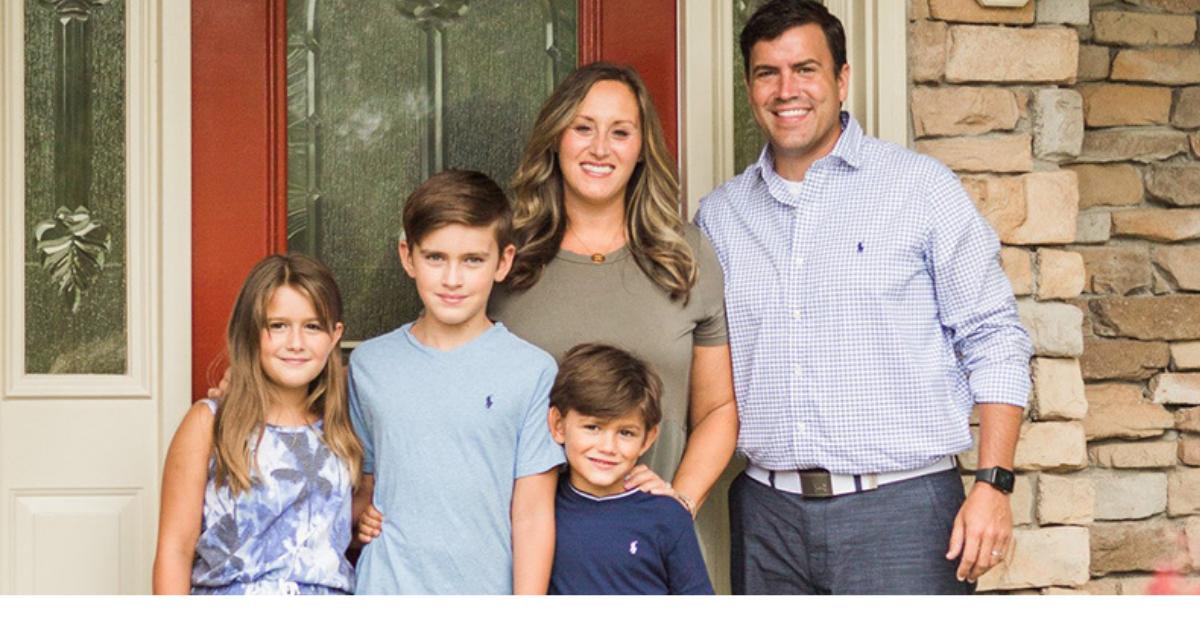
“I’ve referred at least a dozen people to Ritter over the years.”
Tim Ward · The Ward Family
“Responsive, knowledgeable, personable, and willing to go the extra mile.”
Monte Sanders · The Sanders Family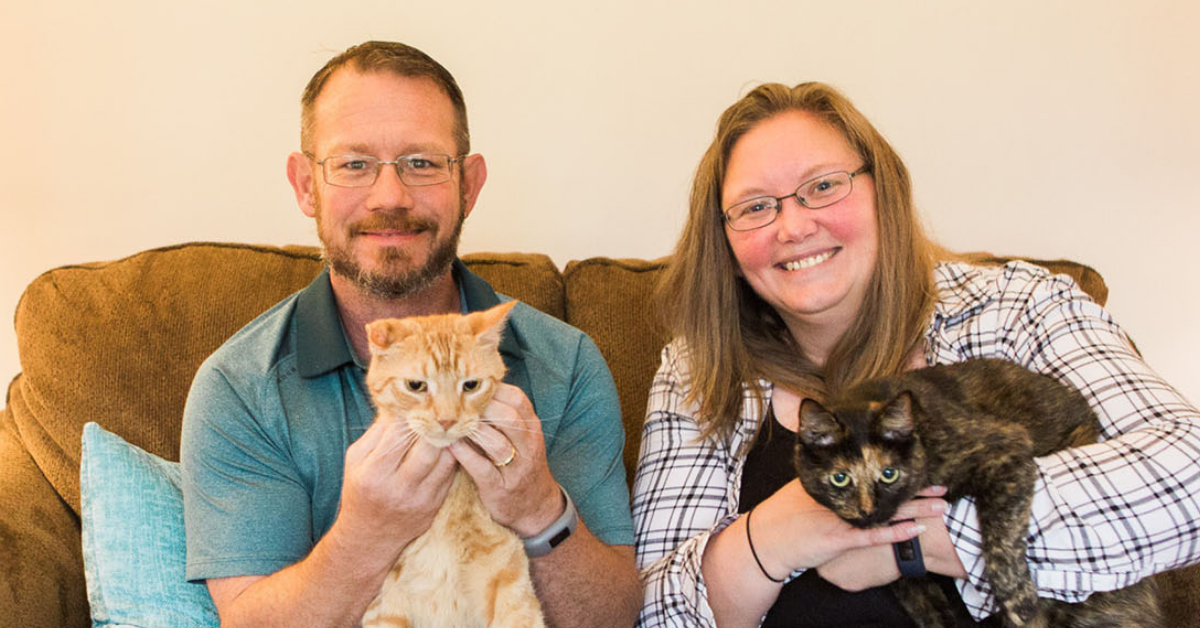
“It was nice being able to sign all the paperwork electronically.”
Amanda Wagoner · The Wagoner FamilyCommon Questions
Mortgage questions, answered
Straight answers to what buyers ask us most. Every file is different — a quick call gets you numbers specific to yours.
How much down payment do I actually need?
Not necessarily 20%. FHA loans start at 3.5% down, VA and USDA loans can go to 0% down for eligible borrowers, and several conventional programs allow as little as 3%. The right number depends on the loan program, your credit, and how it affects your monthly payment.
What credit score do I need to qualify?
There’s no single cutoff — it varies by loan program. FHA loans work with scores as low as 580, and sometimes 500–579 with 10% down; conventional loans typically look for 620 and up. A lower score doesn’t automatically rule you out if the rest of your file is strong.
How much can I actually borrow?
For 2026, the conforming loan limit is $832,750 across most of the country, up to $1,249,125 in high-cost areas. FHA limits run from $541,287 up to that same $1,249,125 ceiling. Jumbo financing is available above those limits.
What’s the difference between pre-qualification and pre-approval?
Pre-qualification is a quick estimate based on what you tell us. Pre-approval goes further — we verify credit, income, and assets — and it’s what sellers and agents take seriously when you make an offer.
What is DTI, and what counts as “good”?
Debt-to-income (DTI) compares your monthly debt payments, including the new mortgage, to your gross monthly income. Most programs look for a total DTI at or below roughly 43–45%, though the exact limit depends on the loan type and your overall file.
What documents will I need to apply?
Photo ID, recent pay stubs and W-2s (or tax returns if you’re self-employed), two months of bank statements, and documentation for any other income or assets. We’ll send an exact checklist once we know your loan program.
How long does closing take?
Most purchases close in 30–45 days from a signed contract, depending on the loan program, appraisal scheduling, and title work. Refinances can sometimes move faster.
What is PMI, and when can I drop it?
Private mortgage insurance applies to conventional loans with less than 20% down, and it protects the lender if you default. Once your loan balance reaches roughly 78–80% of the home’s value, you can typically request that it be removed.
Fixed-rate or adjustable-rate — which is right for me?
A fixed rate stays the same for the life of the loan — predictable, and usually the safer default. An adjustable rate (ARM) starts lower for an initial period, then adjusts; it can make sense if you expect to move or refinance before that period ends.
What are closing costs, and how much should I budget?
Closing costs typically run 2–5% of the loan amount and cover things like the appraisal, title work, lender fees, and prepaid items like insurance and property tax escrow. We’ll give you a detailed estimate early, not a surprise at the closing table.
More questions from real buyers on Reddit, answered by a Ritter loan officer — see the full FAQ →
Home Loan Options
A loan program for every borrower — from a first 30-year fixed to a ground-up construction draw.
Where We Lend
Licensed in 12 states and DC
Licensed states
- California
- Colorado
- Delaware
- DC
- Florida
- Maryland
- Michigan
- Pennsylvania
- South Carolina
- Texas
- Virginia
- West Virginia
Some communities we serve
Who You’ll Work With
The team behind every closing

Ready to see what you qualify for?
Call (410) 795-8900 or apply online — a Ritter loan officer replies personally.